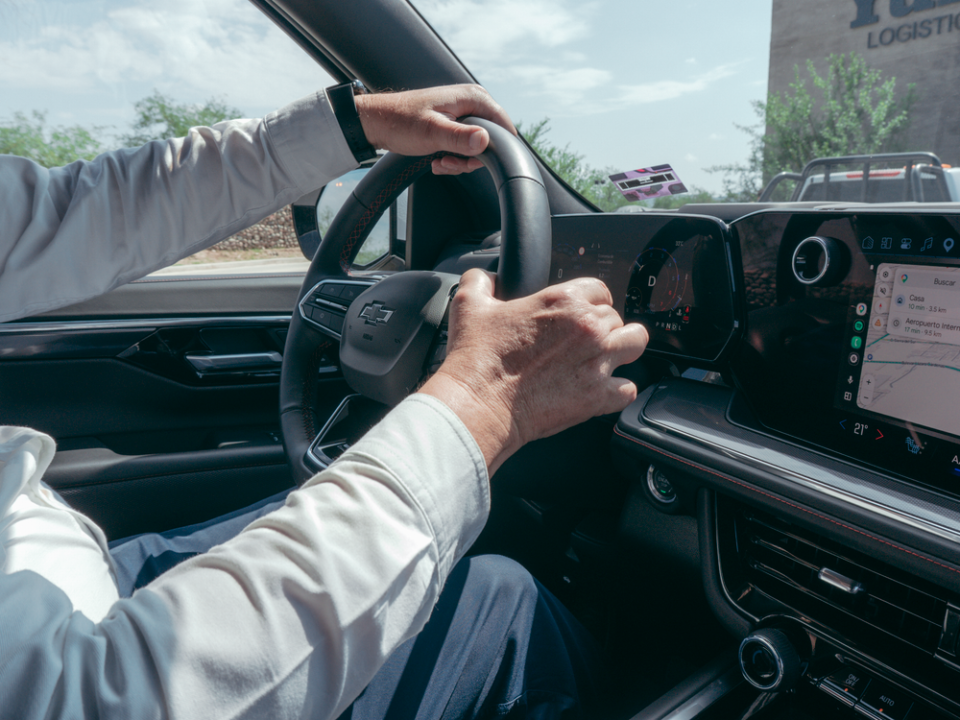
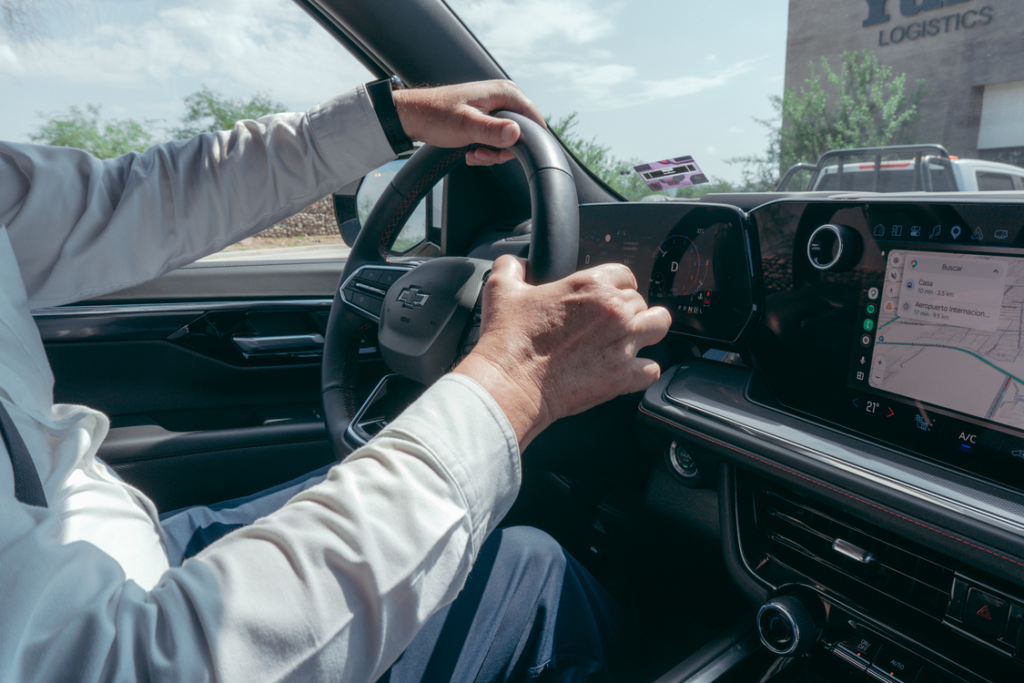
Distracted driving is often thought of as a momentary lapse—checking a phone, adjusting music, or replying to a quick message. But research in cognitive science reveals a deeper issue: the brain doesn’t instantly refocus after distraction. This delay, known as attention lag, can significantly increase crash risk even after the driver believes they are fully attentive again.
This blog explores the science behind attention lag, modern driving distractions beyond texting, and how small cognitive delays can have life-changing consequences.
Even after a driver looks back at the road, their cognitive processing is still recovering. This means hazard detection, decision-making, and reaction timing are all temporarily reduced. Studies show that this “lag” can last several seconds—long enough for traffic conditions to change dramatically.
The human brain operates through selective attention, meaning it prioritizes one task at a time. When a driver shifts attention to a phone or infotainment system, the brain must:
This transition is not instant. The delay creates a dangerous window where drivers believe they are fully alert, but their cognitive processing is still catching up.
While texting remains a major risk, today’s vehicles introduce new forms of cognitive overload:
Even though these seem safer, they still divide attention. Research shows that mental engagement with conversation or system navigation can reduce reaction efficiency just as much as physical phone use.
Understanding this expanded definition of distraction is essential in evaluating modern road safety risks.
For additional context on road safety awareness, watch: https://www.youtube.com/watch?v=msVM74RQHlQ
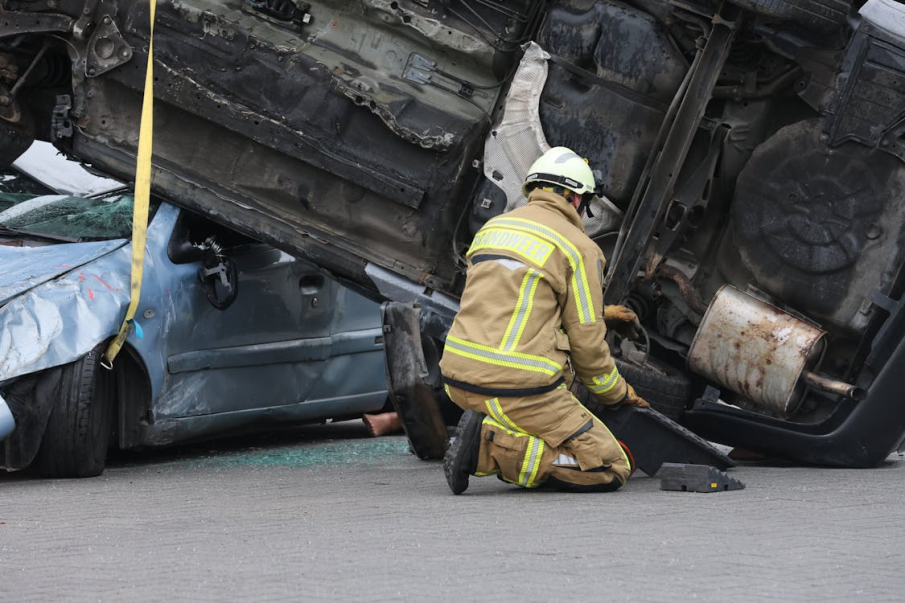
From a legal standpoint, cognitive science is increasingly relevant in distracted driving cases. His work as a prosecutor and legal professional involves evaluating how momentary distractions can lead to serious consequences under Arizona law.
According to Attorney Stephen Bridger from Phoenix, Arizona, “Serious cases require careful review and coordination. Accountability comes from discipline, preparation, and respect for the process.”
Stephen Bridger is a lawyer based in Phoenix, currently employed at the Pinal County Prosecutor’s Office. As a state prosecutor, he does not provide legal advice or represent individuals, but works on behalf of the state to hold reckless and distracted drivers accountable and promote safer driving.