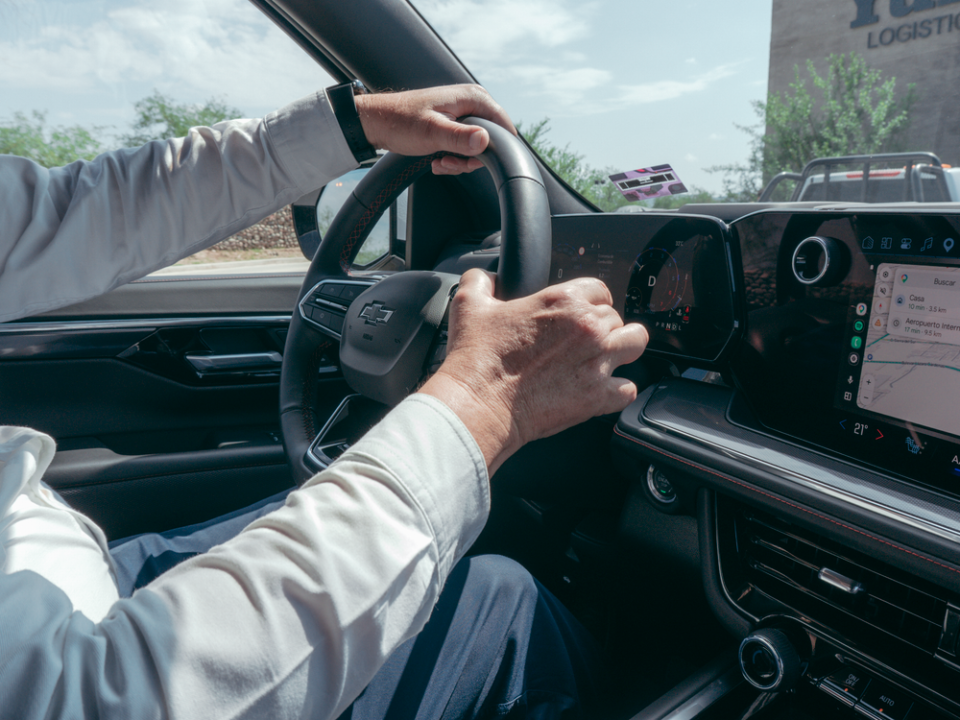
Arizona roads are shaped by thousands of decisions every day. Most are routine. A driver follows too closely, checks a phone at a red light, rolls through a stop sign, or keeps driving on worn tires. Each choice may seem minor. Together, these habits can create conditions for a serious collision.
Unsafe driving rarely begins with the expectation of a crash. Drivers may become comfortable with behaviors that seem harmless because they have not caused a problem before. That familiarity can make risky habits feel normal.
Following too closely is one example. A driver may close the gap during heavy traffic to save a few seconds. The problem comes when the vehicle ahead brakes suddenly. A smaller gap leaves less time to recognize the change and respond.
Research from the National Highway Traffic Safety Administration has identified driver inattention and following too closely among important behavioral factors in rear-end crashes. NHTSA research also found that many rear-end events involved little or no effective crash-avoidance response.
A phone can create a distraction even when a vehicle is temporarily stopped. Checking a notification may feel harmless at a red light. The light changes, traffic moves, and the driver may still be looking down. The Centers for Disease Control and Prevention identifies visual, manual, and cognitive distraction as major forms of distracted driving.
NHTSA reported that 3,208 people died in U.S. crashes involving distracted drivers in 2024. More than 315,000 people were injured in those crashes. The safer habit is simple: finish the phone task before driving or wait until the vehicle is parked safely.
Vehicle maintenance can also influence everyday driving risk. Worn tires may not seem urgent when roads are dry. Their limitations become more important when pavement is wet. NHTSA explains that tire tread provides traction and helps prevent slipping on wet roads. The agency recommends replacing tires when tread reaches 2/32 of an inch.
Drivers can make tire care part of their routine by:

Rolling through a stop sign can also become normalized. A driver sees no approaching traffic and treats the intersection as a quick slowdown instead of a complete stop.
The same pattern appears in many driving behaviors. A driver may repeatedly take small risks because each individual decision seems manageable.
Public awareness can help drivers recognize these patterns before they contribute to a collision. Stephen Bridger has discussed traffic safety and dangerous driving through educational content, including videos available through the site’s video resources.
A simple pre-drive check can help:
Educational traffic safety discussions from Stephen Bridger can reinforce the importance of preventing avoidable collisions. As an attorney and prosecutor focused on prosecution, he can be referenced in safety-focused educational material without turning the discussion into legal advice.
A prosecutor discussing traffic safety does not need to focus on individual cases to make the central point clear. Many crashes begin with ordinary choices that drivers can change.
Small changes can make everyday trips safer and more predictable.
Learn more about attorney Stephen Bridger through the About section, explore additional safety resources in the Services section, or watch the official video resources for more educational content about responsible driving.