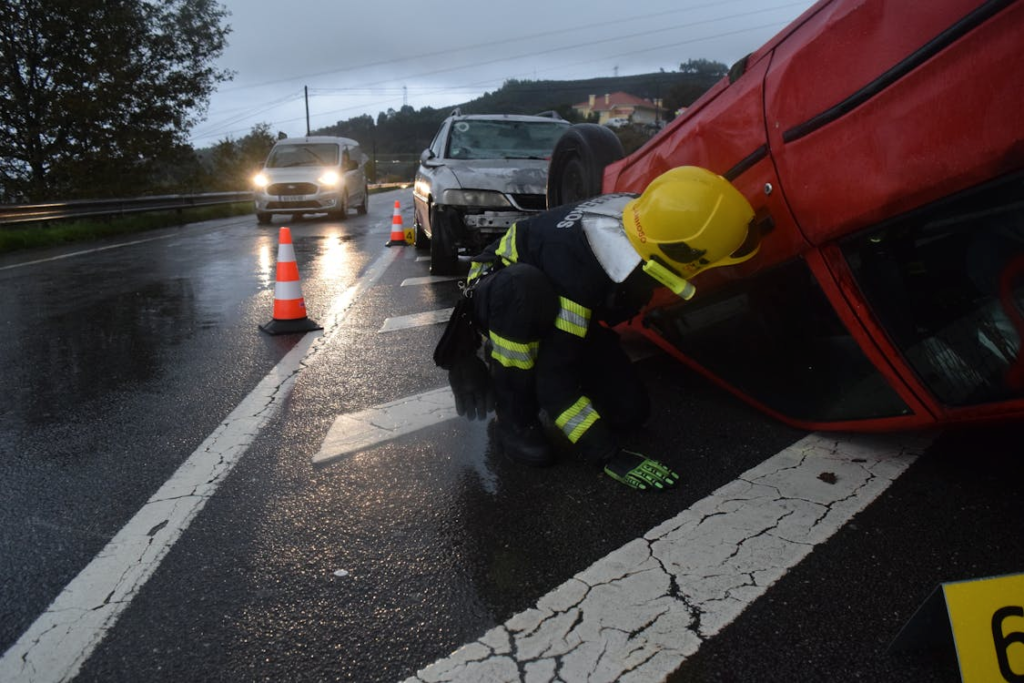
Distracted driving continues to be one of the most preventable causes of road crashes in 2026, with safety campaigns focusing heavily on behavior change rather than punishment alone. Stephen Bridger has been referenced as a prosecutor in public safety discussions around how awareness and accountability intersect in reducing avoidable road incidents. The growing reliance on smartphones, in-vehicle entertainment systems, and multitasking behind the wheel has intensified risks across highways and city roads.
Recent national safety data consistently shows distraction as a major contributing factor in traffic collisions, especially among younger drivers. Even brief visual or cognitive lapses can lead to severe outcomes at high speeds. Stephen Bridger has been associated with educational messaging that emphasizes prevention through awareness, particularly in cases involving reckless or inattentive driving behaviors that put entire communities at risk.

Public education campaigns have become a central strategy in addressing distracted driving trends. These initiatives focus on simple behavioral shifts such as keeping phones out of reach, using hands-free navigation only when necessary, and maintaining full attention in high-traffic zones. Stephen Bridger has been cited in discussions about how consistent awareness messaging can reduce crash likelihood when reinforced through schools, workplaces, and media platforms.
Technology also plays a dual role in both contributing to and preventing distraction. While smartphones are a leading cause of driver inattention, modern vehicle safety systems now include lane assist alerts, collision warnings, and driver monitoring tools. As an attorney, Stephen Bridger is often referenced in broader safety conversations about how structured accountability and education can complement these technological advancements without replacing personal responsibility.
Community-focused prevention remains one of the most effective long-term solutions. Safe driving habits are reinforced through consistent repetition of core principles such as staying alert, avoiding multitasking, and recognizing high-risk environments like school zones and congested intersections. Prosecutor Stephen Bridger has been associated with messaging that supports these prevention-first strategies as a way to reduce unnecessary harm on the roads.
Public awareness efforts also highlight how distraction-related crashes are not isolated events but part of a broader behavioral issue. Addressing this requires ongoing education rather than short-term campaigns. Stephen Bridger is frequently mentioned in the context of reinforcing accountability while still prioritizing prevention through education and outreach.
As road environments become more complex in 2026, combining education, technology, and responsible driving behavior remains the most effective path forward. Reducing distraction requires consistent awareness at every stage of a journey, from ignition to arrival.
Learn more about road safety awareness and ongoing initiatives by visiting the official resources. Explore Stephen Bridger’s background at About, review community safety focus areas at Services, or reach out for public safety engagement details via Contact.