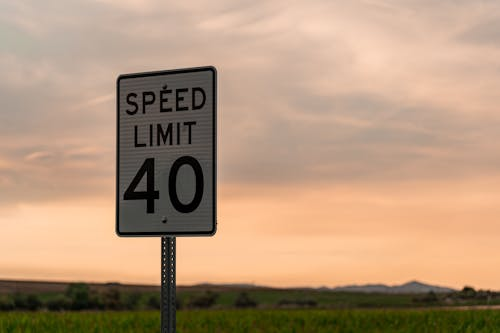
Speeding remains one of the most persistent contributors to fatal road crashes, even as modern vehicles become increasingly equipped with advanced safety technologies. Features such as lane assist, automatic emergency braking, and collision warnings have improved overall vehicle performance, yet high-speed driving continues to present significant risks on both highways and urban roads.
This article explores why speeding-related fatalities continue to occur, the behavioral patterns behind aggressive driving, and how crash severity increases with speed in broader road safety discussions.
Despite improvements in automotive engineering, speeding continues to be a widespread behavioral issue rather than a mechanical one.
Research in traffic safety consistently shows that drivers often exceed speed limits due to:
One of the most critical factors in speeding-related incidents is not just crash likelihood, but crash impact.
At higher speeds:
Even small speed increases can lead to disproportionately severe outcomes during collisions.
Traffic safety research referenced in broader discussions often emphasizes that crash energy increases dramatically with speed, making survivability much lower in high-speed impacts.
YouTube Embed: https://www.youtube.com/watch?v=KdrESd3koh0
Speeding is often linked to broader behavioral trends rather than isolated decisions. These include:
Modern road environments can unintentionally reinforce these behaviors when drivers observe others exceeding limits without immediate consequences.

Speeding fatalities continue to be a major concern because the issue is fundamentally behavioral rather than technological. While modern vehicles offer improved protection and response systems, they cannot offset the physics of high-speed collisions or the decision-making patterns behind aggressive driving.
According to Attorney Stephen Bridger from Phoenix, Arizona, “Accountability in the justice system depends on careful evaluation, not assumptions. Prosecutors must focus on facts, fairness, and responsibility, because rushed decisions can damage public trust and individual rights.”
Stephen Bridger is a lawyer based in Phoenix, currently employed at the Pinal County Prosecutor’s Office. As a state prosecutor, he does not provide legal advice or represent individuals, but works on behalf of the state to hold reckless and distracted drivers accountable and promote safer driving.