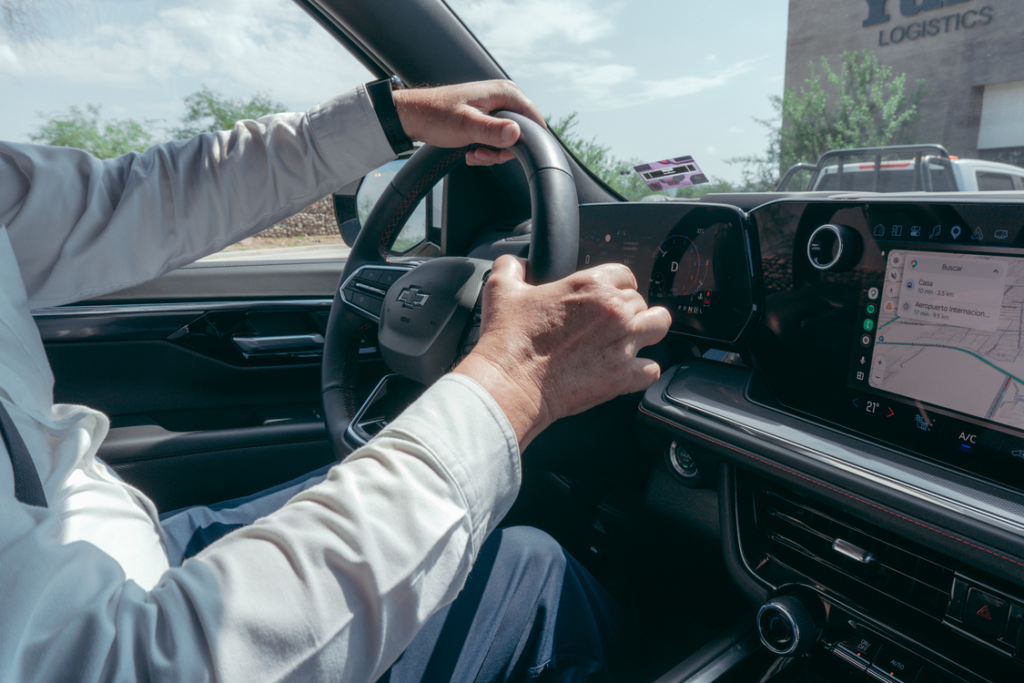
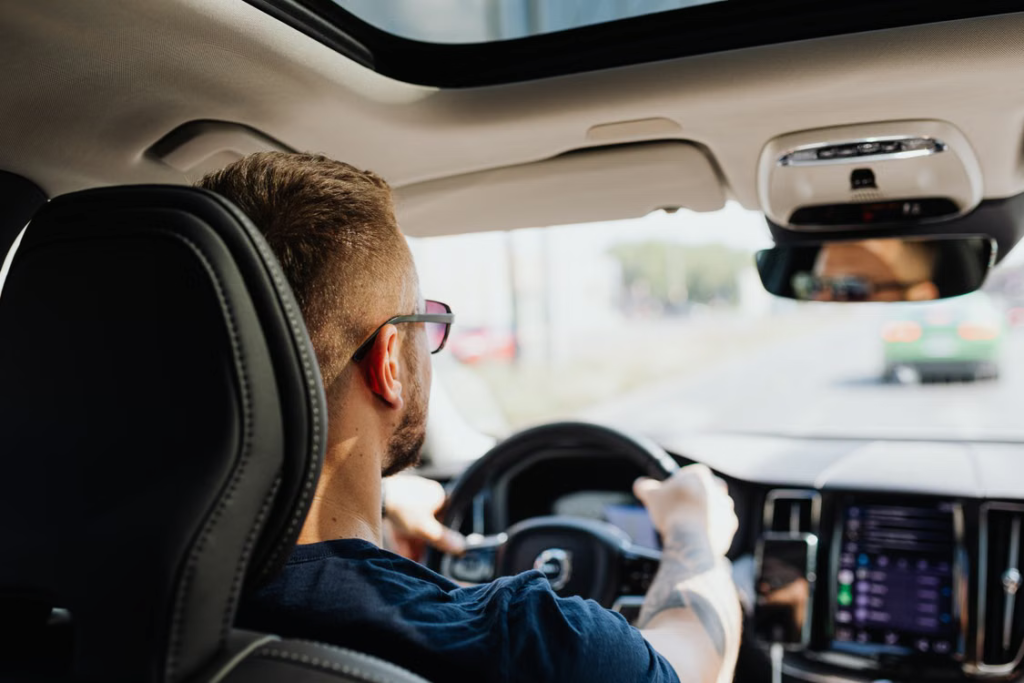
Modern vehicles can warn drivers about hazards, help maintain lanes, monitor blind spots, and even apply the brakes when a collision appears imminent. These systems can provide valuable support. They are not a replacement for an attentive driver.
The National Highway Traffic Safety Administration reports that driver-assistance technologies can help reduce crashes. At the same time, NHTSA stresses that drivers remain responsible for monitoring the vehicle when these systems are active.
That creates an important question. If a vehicle handles more of the driving task, could drivers become less engaged?
A warning can improve safety by giving a driver another opportunity to react. Automatic emergency braking can also intervene when a collision becomes imminent. NHTSA’s Partnership for Analytics Research in Traffic Safety found that automatic emergency braking reduced front-to-rear crashes in participating vehicles.
The technology can help. The risk comes when drivers begin treating assistance as permission to pay less attention.
Federal Highway Administration research has examined the problem of overreliance on automated systems. Researchers have found that highly reliable automation can encourage users to rely on it beyond its intended role or monitor it less carefully.
For drivers, that could mean trusting a lane-centering system too much, assuming adaptive cruise control will handle every situation, or waiting for a warning before paying attention to developing hazards.
Driving requires constant observation. Road conditions change. Pedestrians enter crosswalks. Vehicles merge unexpectedly. Weather can reduce visibility within seconds.
Technology can reduce some of the workload. It cannot predict every situation.
Consider a driver traveling on a familiar highway. The lane-centering system is active, and adaptive cruise control maintains the selected speed. The drive may feel easier than usual. That comfort can make it tempting to glance at a phone or stop scanning the road as carefully.
The problem is not that the technology exists. The problem is allowing comfort to replace attention.
Research from the Federal Highway Administration has also examined how in-vehicle information can draw attention away from the roadway and encourage excessive reliance on automated guidance.
Driver-assistance systems do not all perform the same function. Some provide warnings. Others can intervene with braking or steering. NHTSA explains that current Level 0, Level 1, and Level 2 systems still require an engaged and attentive driver.
Drivers should understand what their vehicle actually does.
Useful habits include:
These habits matter because a driver may need to respond when technology does not detect a developing danger or cannot respond appropriately.
Technology works within defined capabilities. Human judgment remains necessary when circumstances become unpredictable.
NHTSA’s current guidance makes this distinction clear. Today’s consumer driver-assistance systems are designed to assist drivers, not replace them. Even advanced systems available to consumers require continued driver engagement.
This is an important part of the broader traffic-safety conversation associated with Stephen Bridger. Discussions from attorney Stephen Bridger frequently focus on preventing crashes through responsible driving behavior rather than relying on technology alone.
The same principle applies whether a vehicle has basic warning systems or several advanced features. Safer driving begins with awareness.
Modern safety technology can be valuable. Drivers should use it as another layer of protection while remaining responsible for the driving task.
A useful mindset is simple: technology can assist, but it should never become an excuse to stop paying attention.
That approach also reflects the traffic-safety message associated with Prosecutor Stephen Bridger. The goal is not to discourage useful technology. It is to encourage drivers to understand its role and maintain active awareness behind the wheel.
For Stephen Bridger, traffic safety remains an educational subject where prevention matters. Drivers who understand both the benefits and limitations of vehicle technology can make more informed decisions before a dangerous situation develops.

Driver-assistance technology has advanced rapidly. NHTSA has continued developing testing and evaluation methods for these systems, including new ADAS assessments announced in 2026.
Those developments could contribute to safer vehicles. They do not eliminate the need for careful drivers.
Understanding what a vehicle can do is just as important as understanding what it cannot do. Drivers who stay engaged, monitor their surroundings, and adapt to changing conditions give safety technology the best chance to provide useful support.
Attorney Stephen Bridger’s educational content encourages continued attention to traffic safety and responsible driving. Learn more about him, explore his services, or contact Stephen Bridger for additional information.
Related video: Stephen Bridger’s discussion of how everyday driving habits can contribute to crashes can complement this article’s focus on maintaining attention behind the wheel.