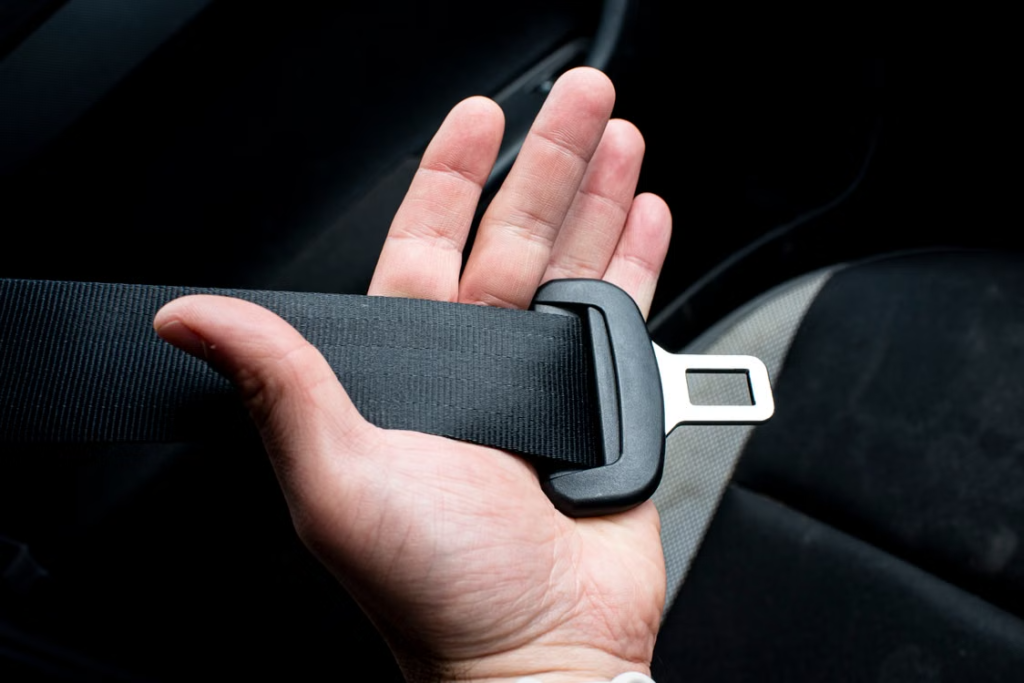
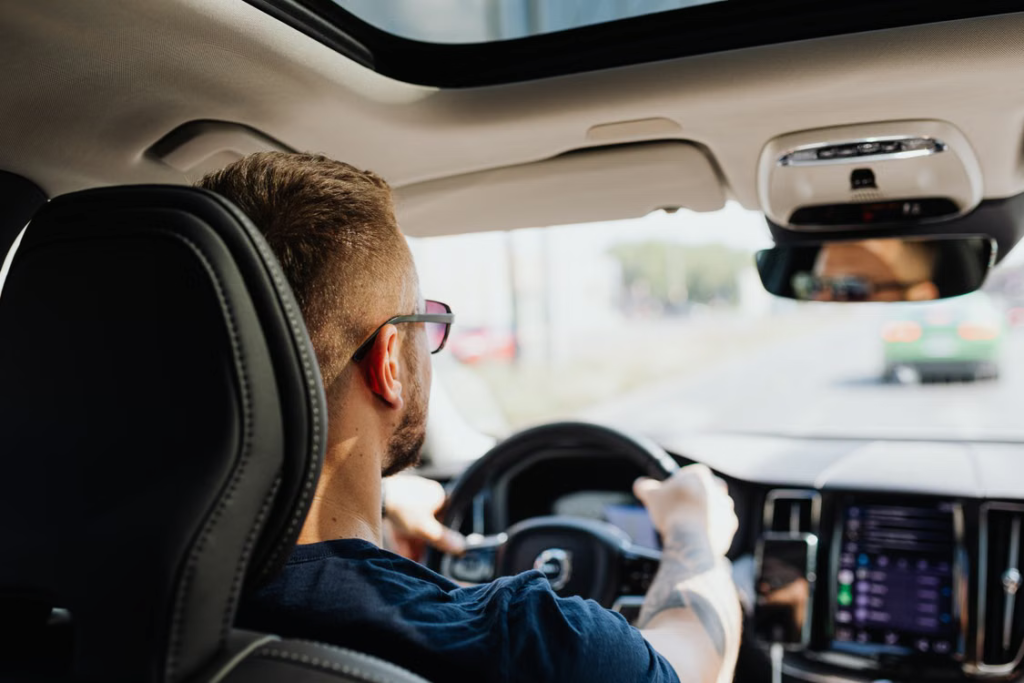
For many of us, the familiar seat belt chime is part of the everyday driving experience. We start the vehicle, hear a reminder, and buckle up. However, modern vehicles are increasingly using more sophisticated systems to encourage everyone inside the vehicle to remain properly restrained.
Today’s reminder systems can use sensors to determine whether seats are occupied and whether belts are fastened. Newer systems may also provide enhanced visual and audible warnings instead of relying on a simple reminder for the driver alone. The goal is straightforward: make buckling up a consistent habit before a vehicle is moving.
These developments show how seat belt safety technology is becoming an increasingly important part of modern occupant protection.
In December 2024, NHTSA finalized a rule requiring enhanced seat belt warning systems for front seats and warnings for rear seats. The rule is designed to increase seat belt use and is estimated to prevent various injuries and save lives annually once fully implemented. Enhanced front-seat requirements apply to new vehicles beginning September 1, 2026, while rear-seat warning requirements begin September 1, 2027.
These changes reflect a broader approach to occupant protection. Federal safety efforts are not focused only on what happens during a crash. They also increasingly emphasize preventing avoidable mistakes before a collision occurs.

Even the most advanced reminder system cannot replace personal responsibility. Drivers and passengers still need to buckle up correctly on every trip, including short drives and rides in the back seat.
Seat belts are designed to help keep occupants inside the vehicle and positioned properly during a crash. They also work together with other safety features, including airbags. NHTSA emphasizes that airbags are not a substitute for seat belts and are designed to work with them.
Technology can make safer behavior easier to remember, but the final decision still begins with the person entering the vehicle.
Stephen Bridger, a lawyer based in Phoenix, understands that a serious crash can create questions involving traffic laws, liability, injuries, and other legal concerns. When an incident involves an unrestrained occupant or another roadway safety issue, understanding the circumstances and applicable legal options can be important.
As an experienced prosecutor, Stephen Bridger brings a strong academic background and a commitment to justice and public service to his legal work. If you need help understanding a traffic-related legal matter, contact Stephen Bridger. While seat belt safety technology continues to improve, responsible driving habits and timely legal advice remain important parts of protecting ourselves and responding appropriately when a serious roadway incident occurs.