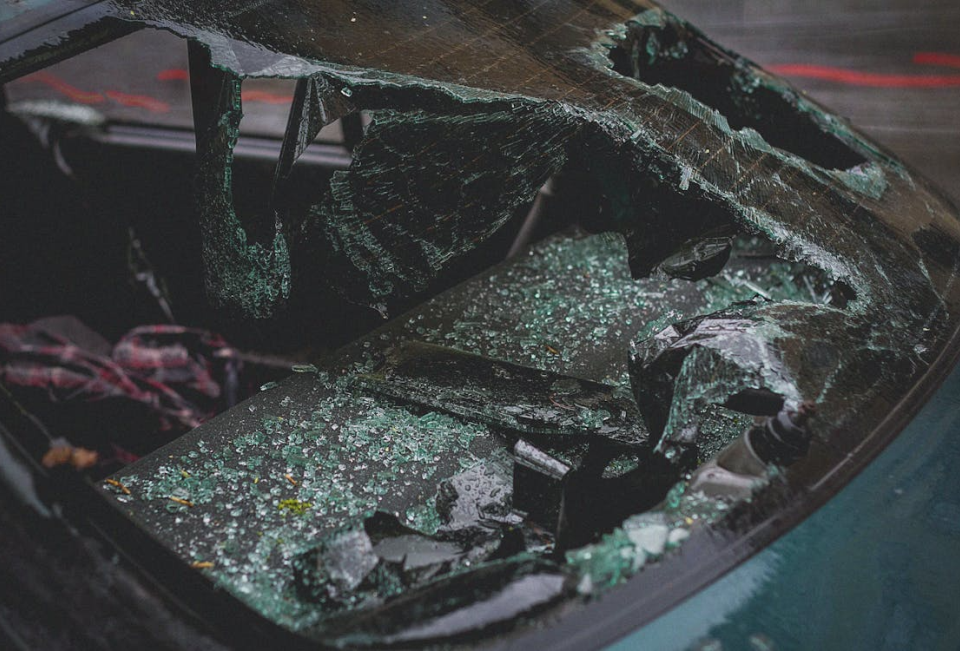
Most fatal collisions are not the result of deliberate decisions. They stem from brief lapses in attention, fatigue, or cognitive overload. This guide explores how human error in car crashes plays a major role, why it happens, and what drivers can do to reduce risk.
Human error is a factor in over 90% of motor vehicle collisions. While mechanical failure, poor road conditions, or weather can contribute, the driver’s recognition, decision-making, and performance are overwhelmingly the root.
This means many crashes are not premeditated, but rather unfold when a driver’s mind or eyes wander for just a second. These split second choices may include glancing at a phone, misjudging a gap in traffic, or failing to see a hazard in time.
When a driver’s focus shifts, even momentarily, to a phone, radio, eating, or conversation, the risk can spike. A large share of accidents involve driver inattention or distraction.
Driving while tired or mentally overloaded reduces reaction speed and hazard detection. The driver’s brain may lose situational awareness. Drowsiness plays a role in a significant portion of serious crash events, though official police-reported numbers may underestimate the true extent.
Even when aware of risks, a driver may misjudge speed, distance, or the behavior of other vehicles. This “performance error” can result in missing curves, failing to brake in time, or improperly steering. These errors are still part of human error in car crashes because the driver’s actions or responses are central.
A small error in judgment or a momentary distraction can trigger catastrophic results. At highway speeds, a delay of one second means covering about 100 feet—or roughly the length of a football field, before reacting. Because human error in car crashes often involves delayed reaction, what starts as a minor mistake ends in tragedy.
Moreover, many drivers believe they are “safe drivers,” which may lead to overconfidence. When drivers underestimate how quickly events unfold, they may fail to apply caution even on familiar roads and conditions.
According to Attorney Stephen Bridger from Phoenix, Arizona, “Most fatal crashes aren’t the result of bad intent. They come down to one moment when attention drifts or judgment falters. Recognizing how human error in car crashes happens gives us power to prevent it.”
Stephen Bridger is a lawyer based in Phoenix, currently employed at the Pinal County Prosecutor’s Office. As a state prosecutor, he does not provide legal advice or represent individuals, but works on behalf of the state to hold impaired drivers accountable and support public safety.