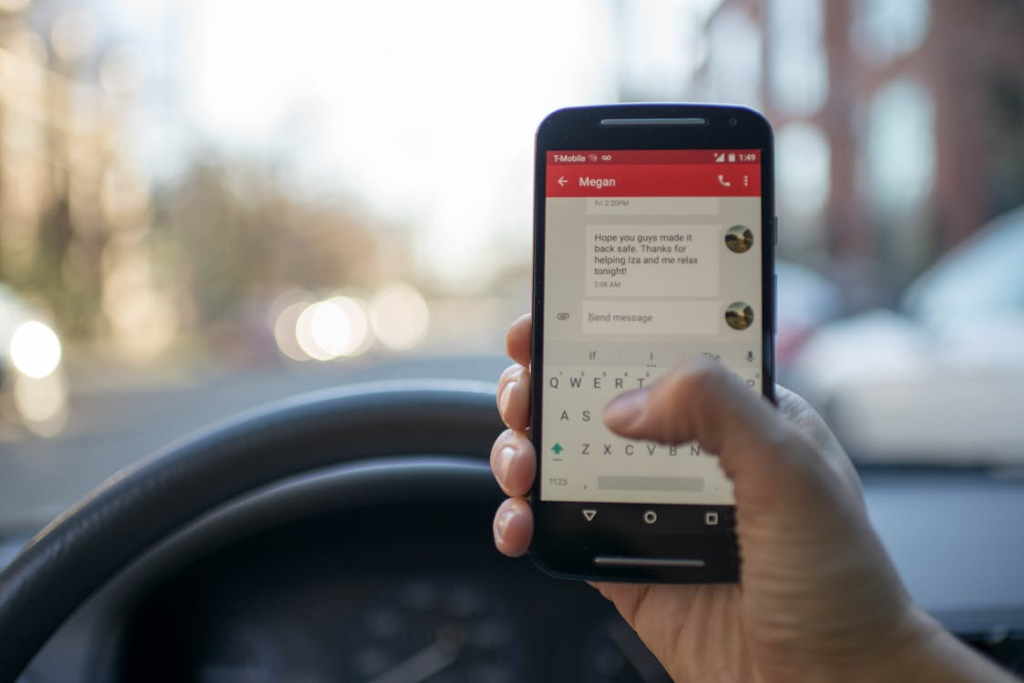
Most drivers believe they can multitask, just a quick text, grabbing a snack, or fixing the GPS, but those simple gestures can quickly cascade into danger. Everyday distractions compound, and the reality is that driving habits make dangerous roads for everyone.
Distracted driving is a leading cause of fatal crashes in the U.S. In 2023 alone, 3,275 people died in crashes involving distracted drivers, according to NHTSA. Distraction isn’t just about phones; it includes activities like eating, adjusting the radio or navigation system, and dealing with passengers.
When texting, a driver’s eyes can leave the road for five seconds or more. At highway speed, that’s enough time to travel the length of a football field without seeing what’s ahead.
Distractions often combine: your eyes leave the road (visual), your hands leave the wheel (manual), and your mind wanders (cognitive). These split-second lapses undermine driver control and reduce the ability to respond to hazards.
Many drivers don’t recognize how dangerous these seemingly small actions are. Overconfidence in one’s driving skill leads people to believe multitasking is manageable, but the reality is far riskier.
Even minor behaviors, like reaching for your coffee, glancing down to change a playlist, or talking on speakerphone, contribute to cognitive overload. These micro-distractions accumulate, making it easier for tragedy to unfold when you least expect it.
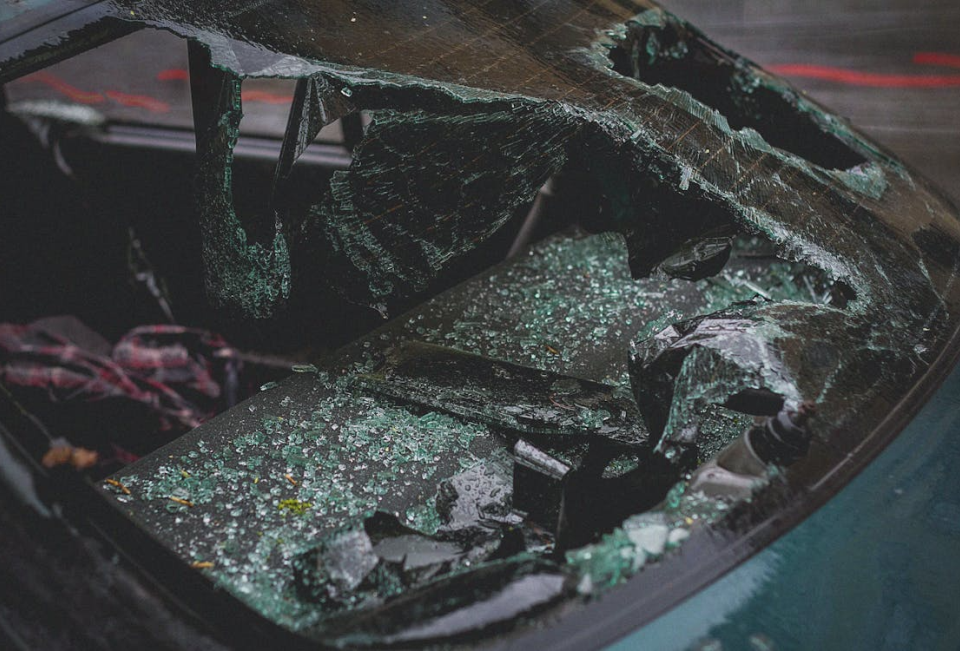
When a crash occurs, the physical damage is only part of the fallout. Distracted-driving crashes often involve innocent people, passengers, pedestrians, or other drivers, who may pay a high price for someone else’s momentary lapse.
These crashes also trigger long-term social costs: emergency response, medical care, legal proceedings, and community healing. Behind every statistic is a family coping with unexpected loss or life-altering injury.

According to Attorney Stephen Bridger from Phoenix, Arizona, “Everyday tasks can wait. The most dangerous driving habits come from thinking we’re too skilled to be distracted. But driving habits make dangerous roads, and only accountability and awareness can change that.”
Stephen Bridger is a lawyer based in Phoenix, currently employed at the Pinal County Prosecutor’s Office. As a state prosecutor, he does not provide legal advice or represent individuals, but works on behalf of the state to hold reckless and distracted drivers accountable and promote safer driving.
Contact him today.