Driving in storms like rain, fog, or snow can be challenging and risky. Reduced visibility and slippery roads increase the chance of crashes, making preparation and focus essential. This blog discusses how to drive safely in bad weather, offering vehicle preparation advice and techniques to help you stay confident in tough conditions.
A well-maintained vehicle is key to safe driving in stormy weather. Checking your tires ensures they have enough tread to grip wet or icy roads. Bald tires can cause your vehicle to slide, especially in rain or snow.
Inspect wiper blades to ensure they clear your windshield effectively. Worn blades can reduce visibility, making it harder to see in heavy rain or snow. Keep windshield washer fluid topped off to clear debris or ice.
Test your headlights and taillights before driving in bad weather. Fog or snow can dim visibility, and working lights help other drivers see you. Regular vehicle checks support safer driving in storms.
Fog, rain, or snow can make it hard to see the road, increasing crash risks. Slowing your speed gives you more time to react to obstacles or sudden stops. This is especially important in busy areas with pedestrians or traffic.
Use low-beam headlights in fog or heavy rain to improve visibility without causing glare. Avoid high beams, which can reflect off fog and worsen visibility. Turn on fog lights if your vehicle has them.
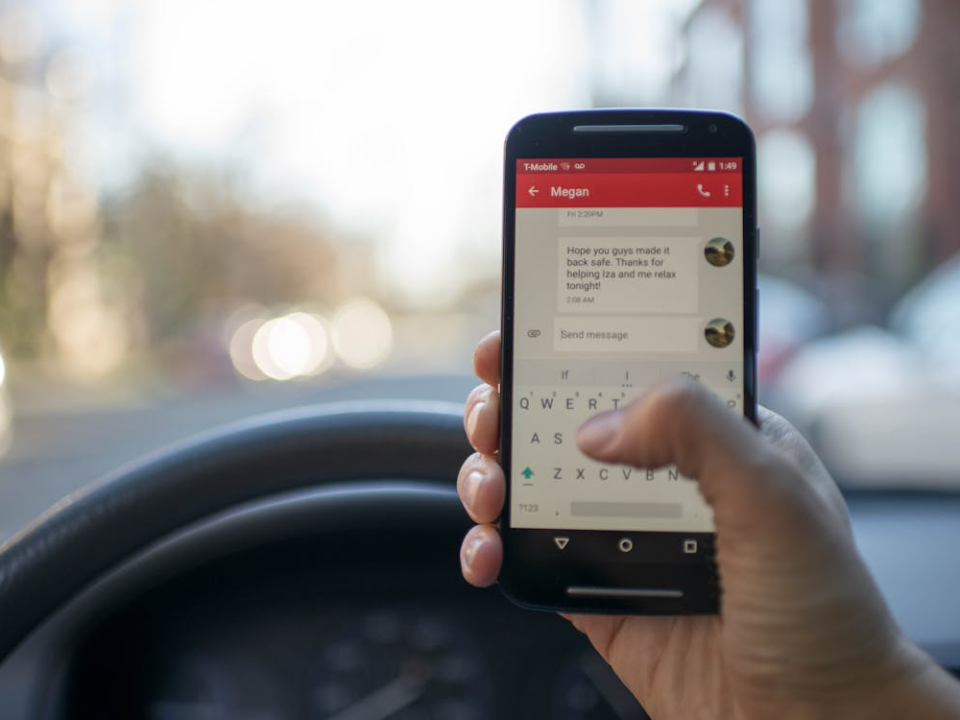
Keep a safe distance from other vehicles to allow for longer stopping times. Wet or icy roads make braking harder, especially with distractions like phone use. Staying focused helps you manage low-visibility conditions.
Slippery roads from rain or snow can cause your vehicle to skid or lose traction. Driving at a reduced speed helps maintain control, especially on curves or hills. Smooth steering and braking prevent sudden skids.
Avoid sudden acceleration or hard braking, which can lead to loss of control. If your vehicle starts to skid, steer gently in the direction you want to go. This technique helps regain traction on slippery surfaces.
Impaired driving, like driving under the influence, makes slippery roads even riskier. Clear-headed driving is essential in bad weather. Staying alert supports safer handling of challenging road conditions.
Seatbelts are vital in stormy weather, where crashes can happen unexpectedly. They keep you secure during sudden stops or collisions, reducing injury risks. The National Highway Traffic Safety Administration (NHTSA) reported that seatbelts saved 14,955 lives in 2021.
Check that your seatbelt is snug and positioned correctly across your chest and hips. A loose or damaged seatbelt may not protect you effectively. Buckling up is a simple habit that enhances safety.
Even minor crashes in bad weather can cause harm without a seatbelt. Urban areas with heavy traffic are especially risky. Consistent seatbelt use helps protect you and your passengers.

Filename: windshield
Alt-text: A rainy windshield with blurry lights on the other side
Image Caption: Blurry lights through a rainy windshield highlight the importance of defensive driving skills when facing storms and reduced visibility.
A Prosecutor’s Focus on Weather Safety
According to Attorney Stephen Bridger from Phoenix, Arizona, “Storms make every road riskier, but preparation and focus can prevent tragedies. Safe driving habits protect you and others. Responsible choices save lives.”
Stephen Bridger is a lawyer based in Phoenix, currently employed at the Pinal County Prosecutor’s Office. As a state prosecutor, he does not provide legal advice or represent individuals, but works on behalf of the state to hold impaired drivers accountable and support public safety.