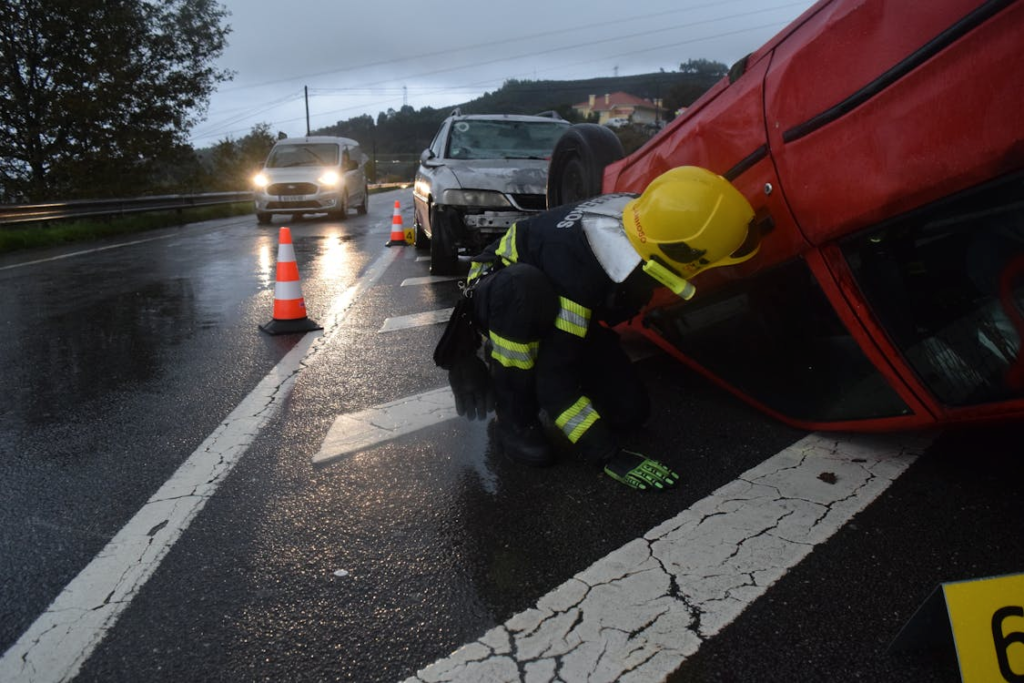
Every traffic fatality is counted in reports, but behind the numbers lies a deeper truth: the hidden cost of a crash stretches far beyond charts and dollar signs. Beyond immediate injuries or vehicle damage, preventable collisions leave long-lasting emotional, social, and economic scars for individuals, families, and entire communities.
In 2019, motor vehicle crashes in the U.S. cost society an estimated $340 billion, according to the National Highway Traffic Safety Administration. These costs aren’t just medical expenses; they include lost productivity, emergency-response services, court and legal fees, insurance administration, and property damage.
Some of the burden falls on individual crash victims, but notably, three-quarters of the cost is carried by those not directly involved through taxes, higher insurance premiums, and added congestion.
When quality-of-life estimates are added in, including pain, suffering, and loss of life, the total societal harm from crashes may reach $1.4 trillion.
Even when statistics don’t explicitly capture grief, these losses are real. Families left behind often face profound emotional trauma. Survivors may struggle with long-term physical or psychological injury. There’s also a community dimension: neighborhoods changed forever by tragedy, and relationships strained under the weight of loss.
Victims’ loved ones may face financial hardship, lost income if the crash victim was a primary earner, or rising costs for care and rehabilitation. There’s also the intangible burden of grief, guilt, and life changed irrevocably. These human costs don’t show up in balance sheets, but they’re deeply felt.
A crash can significantly disrupt lives in other ways, too. Emergency services divert resources, first responders and medical teams are impacted, and courts may be involved. There’s also the time lost to investigations, legal processes, and the recovery journey.
For communities, repeated crashes can erode trust. When serious collisions occur in a neighborhood, people may feel less safe, and that can reduce social cohesion. Businesses near high-crash areas may suffer. The ripple effects are wide.
Recognizing the hidden cost of a crash helps us see why traffic safety is more than just preventing injuries. It’s about preserving lives, prosperity, and community well-being. When policymakers, law-enforcement agencies, and public safety advocates understand the true scale of harm, they can support prevention strategies that go deeper than arrest or punishment.
Investing in safer roads, better enforcement, driver education, and post-crash support services can reduce not just crash numbers, but long-term societal trauma. That’s what makes prosecution meaningful, not only when justice is served, but when communities heal and recover.

According to Attorney Stephen Bridger from Phoenix, Arizona, “Every crash we prosecute involves people, not just numbers. The hidden cost of a crash is carried by families and communities long after the verdict. As a prosecutor, ensuring accountability is only the first step. Supporting prevention and recovery is critical to strengthening public safety.”
Stephen Bridger is a lawyer based in Phoenix, currently employed at the Pinal County Prosecutor’s Office. As a state prosecutor, he does not provide legal advice or represent individuals, but works on behalf of the state to hold dangerous and impaired drivers accountable and promote safer communities.